
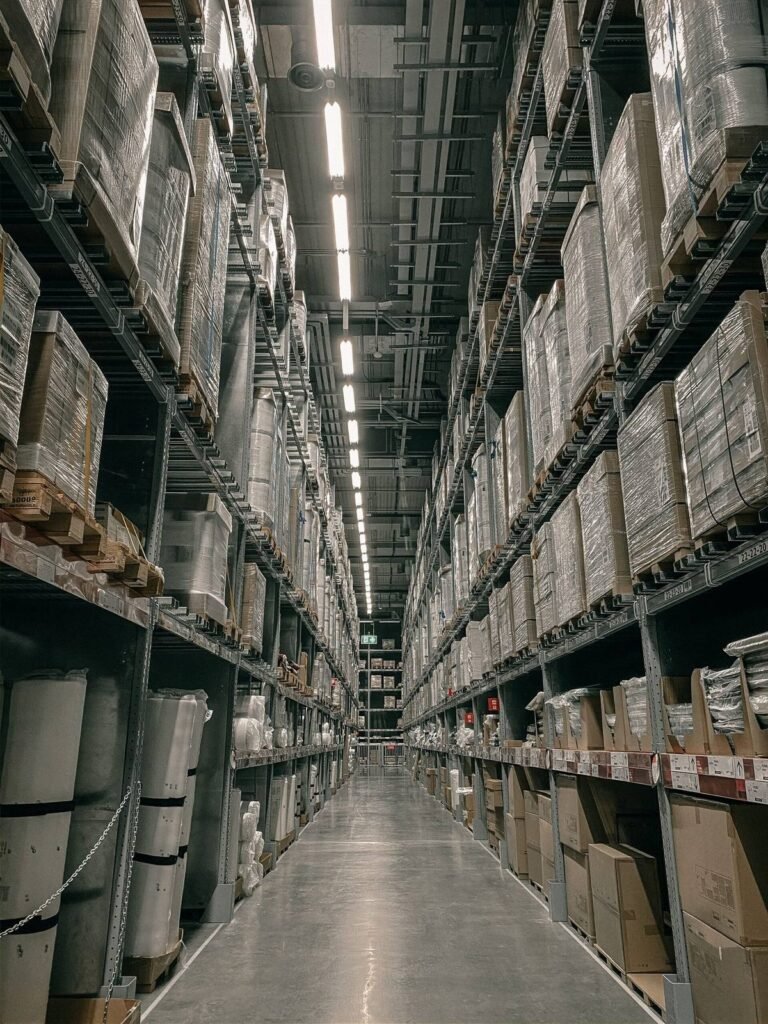
Warehousing looks like a commodity until the week something goes wrong. Then the difference between a good warehouse and distribution partner and a cheap one shows up in a single number: how long it takes to find out you have a problem, and how long after that until a customer notices.
In this article
What warehousing services actually include
The phrase covers more ground than most quotes admit. Storage is the visible part. The work that decides whether the arrangement holds up is everything around it: receiving and checking inbound stock, put-away, picking, packing, returns, and the paperwork that has to match at every step.
Distribution is the other half. Goods sitting on a shelf earn nothing. A distribution service moves them to the next point, whether that is a retailer, a site, or a customer’s door, and tells you where they are while they travel. When a provider quotes a rate per pallet per month and stops there, ask what happens on the day a shipment arrives damaged and half the order has to be rerouted. That answer is the service.
Good warehousing and distribution services are usually sold as one contract for a reason. Splitting storage from movement across two vendors creates a seam, and seams are where stock goes missing.
Location decides more than rent does
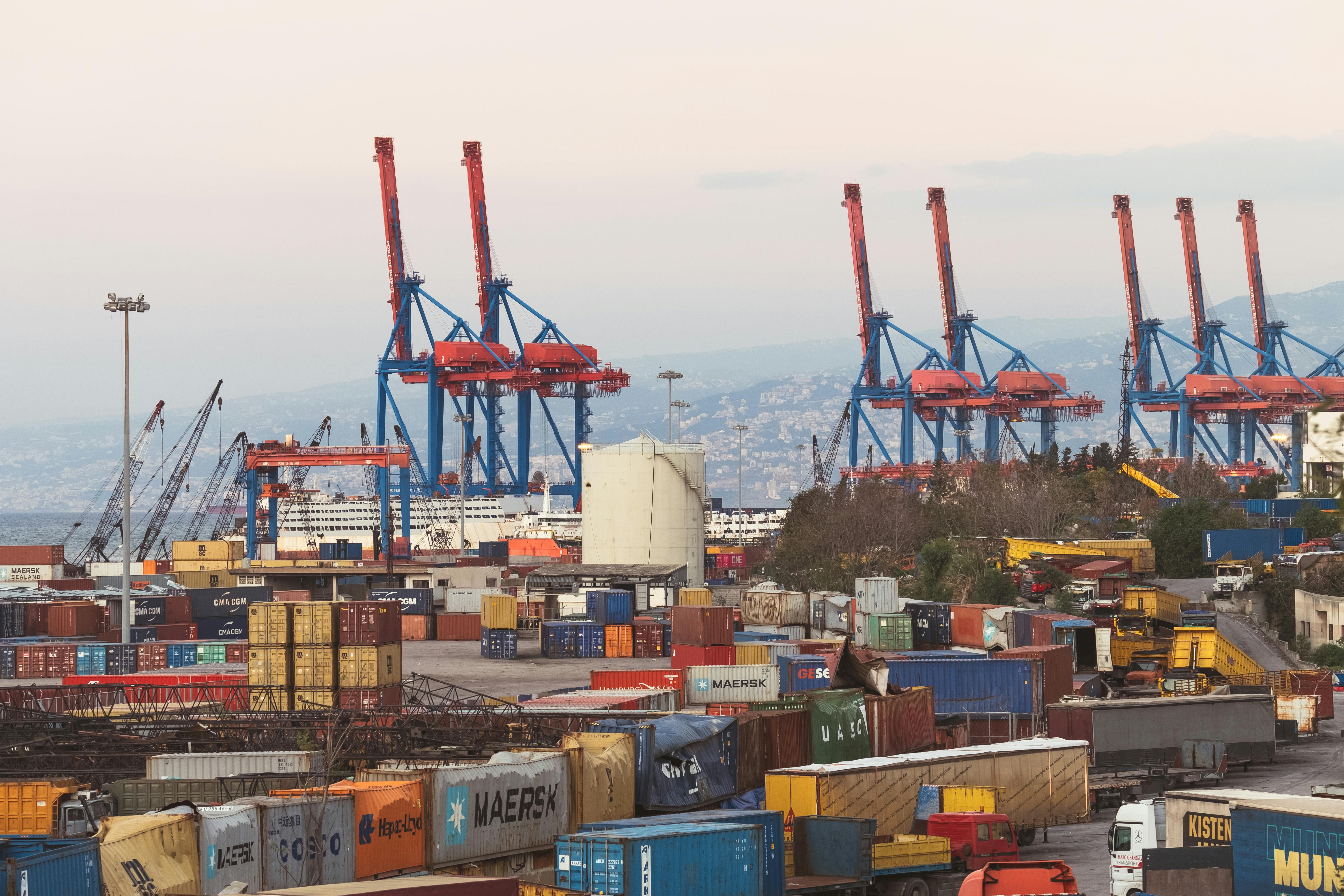
Qatar’s logistics map is small enough that a warehouse in the wrong place costs more in trucking than it saves in rent. Proximity to Hamad Port matters for imported goods. Proximity to your customers matters for anything moving out daily. Very few operations get to optimise for both, so decide which flow is heavier before comparing square metre prices.
The free zones change the calculation again. Goods held in a free zone have different duty treatment from goods that have already cleared, which affects when you want to pay and how quickly you can re-export. That is a question for whoever handles your customs clearance, and it is worth asking before the lease is signed rather than after.
One practical test: ask how long a container takes to go from vessel arrival to put-away on the racking, on an ordinary week, not a good one. Providers who know their own operation answer in hours. Providers who do not answer in adjectives.
Inventory accuracy is the real test
Every warehouse says it has a warehouse management system. Fewer can say what their inventory accuracy rate has been over the last quarter, or how they measure it. The gap between the two is where most disputes begin.
Cycle counting is the unglamorous answer. Counting a slice of the stock continuously, rather than shutting down twice a year for a full count, catches errors while they are still small enough to explain. It also means the number in the system is trustworthy on a random Tuesday, which is the only time it matters.
Ask how the system talks to yours. A provider that emails a spreadsheet once a week is running your stock on a delay, and every decision you make from that file is a week old. Integration with your ordering system, or at minimum a live portal, turns storage into something you can plan against. This is the point where warehousing stops being a cost line and starts being part of supply chain management.
Questions worth asking before you sign
Five that tend to separate operators quickly:
- What is your inventory accuracy, how is it measured, and who sees the number?
- What happens to my goods if my volume doubles for two months? Fixed space, or flexible?
- Who is liable for damage found at receiving, and what evidence gets recorded?
- What are your temperature and humidity controls, and are they logged or spot-checked?
- Which of your staff will I actually speak to when something goes wrong at 7pm?
The last one gets underrated. Contracts describe the good case. The named person who picks up the phone describes the bad one, and you will spend more time in the bad case than the sales meeting suggests.
When outsourcing beats running your own
Running your own warehouse makes sense when the operation is a competitive advantage in itself: unusual handling, tight process control, or volumes steady enough that fixed costs are cheaper than a per-unit rate. That is a real category, and plenty of businesses belong in it.
Outsourcing wins when demand is uneven. Paying for peak capacity year-round is expensive, and hiring warehouse staff for a season is harder than it sounds. It also wins when a business is entering a new market and does not yet know what its steady state looks like. Committing to a building is a slow decision to reverse.
There is no general answer, only an honest look at how much your volume swings and how much of your team’s attention the operation absorbs today.
The right warehousing partner is rarely the cheapest quote and almost never the one with the longest capability list. It is the one that can tell you where your stock is right now, what it will cost when volume moves, and who answers the phone when it does not go to plan.