
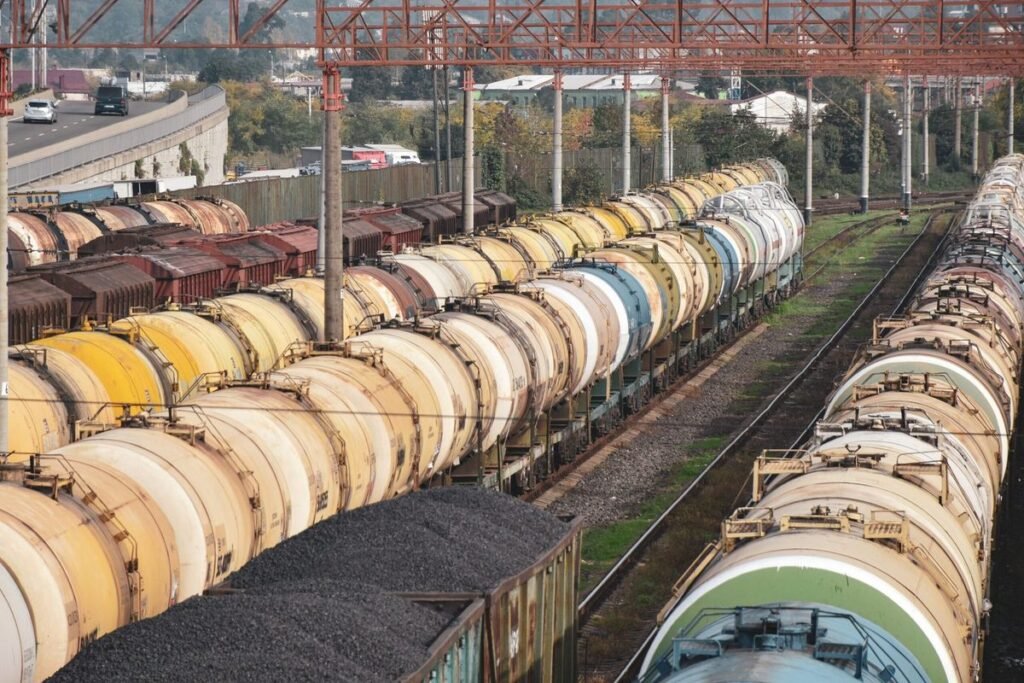
A supply chain only earns the word “efficient” when every handoff, from the warehouse floor to the customs desk to the last mile, works without anyone having to chase it. In Qatar’s fast-growing logistics market, that consistency is what separates a vendor you keep and one you quietly replace.
In this article
Why Supply Chain Efficiency Is a Real Competitive Edge
Every business with physical goods runs a supply chain whether it calls it that or not. The difference between the ones that scale and the ones that stall usually has nothing to do with budget. It comes down to whether goods, information, and money move at the same pace. A retailer that can promise a delivery date and hit it every time wins repeat customers even at a higher price. One that guesses and hopes loses them, no matter how good the product is.
Qatar’s market rewards this discipline more than most. Import volumes are high, the country depends on sea and air freight for a huge share of consumer and industrial goods, and customers here have gotten used to fast turnaround from regional and global e-commerce. A supply chain management partner that treats logistics as a system rather than a series of separate jobs is the one that keeps pace with that expectation.
Map the Chain Before You Try to Fix It
Most companies try to fix supply chain problems by throwing more people or more software at whichever stage is loudest that week. That rarely works, because the loudest problem is often a symptom, not the cause. A shipment that arrives late at the store might actually be a warehouse picking issue from three days earlier, or a documentation gap at customs that nobody flagged until the truck was already at the border.
The fix starts with mapping every step: sourcing, transport, customs clearance, warehousing, last-mile delivery, and the paperwork that ties each one to the next. Once that map exists, it’s usually obvious where the actual bottleneck sits. Companies that skip this step end up optimizing the wrong stage, spending money on faster trucks when the real delay was a data entry backlog at the warehouse gate.
Where Qatar Operations Typically Lose Time
A few patterns show up again and again across logistics operations in Doha and the wider GCC:
- Customs documentation errors. A single missing certificate or mismatched HS code can hold a container for days, and the cost of that delay rarely gets tracked back to its source.
- Warehouse layouts that haven’t kept up with volume. Storage that made sense at a smaller scale creates walking-distance waste and picking errors once order counts climb.
- Poor handoff visibility between freight and last-mile. If the warehouse doesn’t know a truck is arriving until it’s at the gate, loading becomes reactive instead of planned.
- Manual status updates. When customers or internal teams have to call and ask “where is it,” that’s a sign the tracking process itself is the bottleneck, not the shipment.
None of these require a total overhaul to solve. They require someone treating the supply chain as one connected system and fixing the actual weak link instead of the symptom that’s easiest to see.
Building a Leaner, More Reliable Chain
Efficiency gains in logistics tend to come from a short list of changes, applied consistently rather than once. Standardizing documentation before goods ever leave the origin country removes most customs delays before they happen. Consolidating shipments where volume allows cuts cost per unit without slowing delivery. Setting clear service-level expectations with every carrier and warehouse partner, and actually measuring against them, turns “we think it’s fine” into “we know it’s fine.”
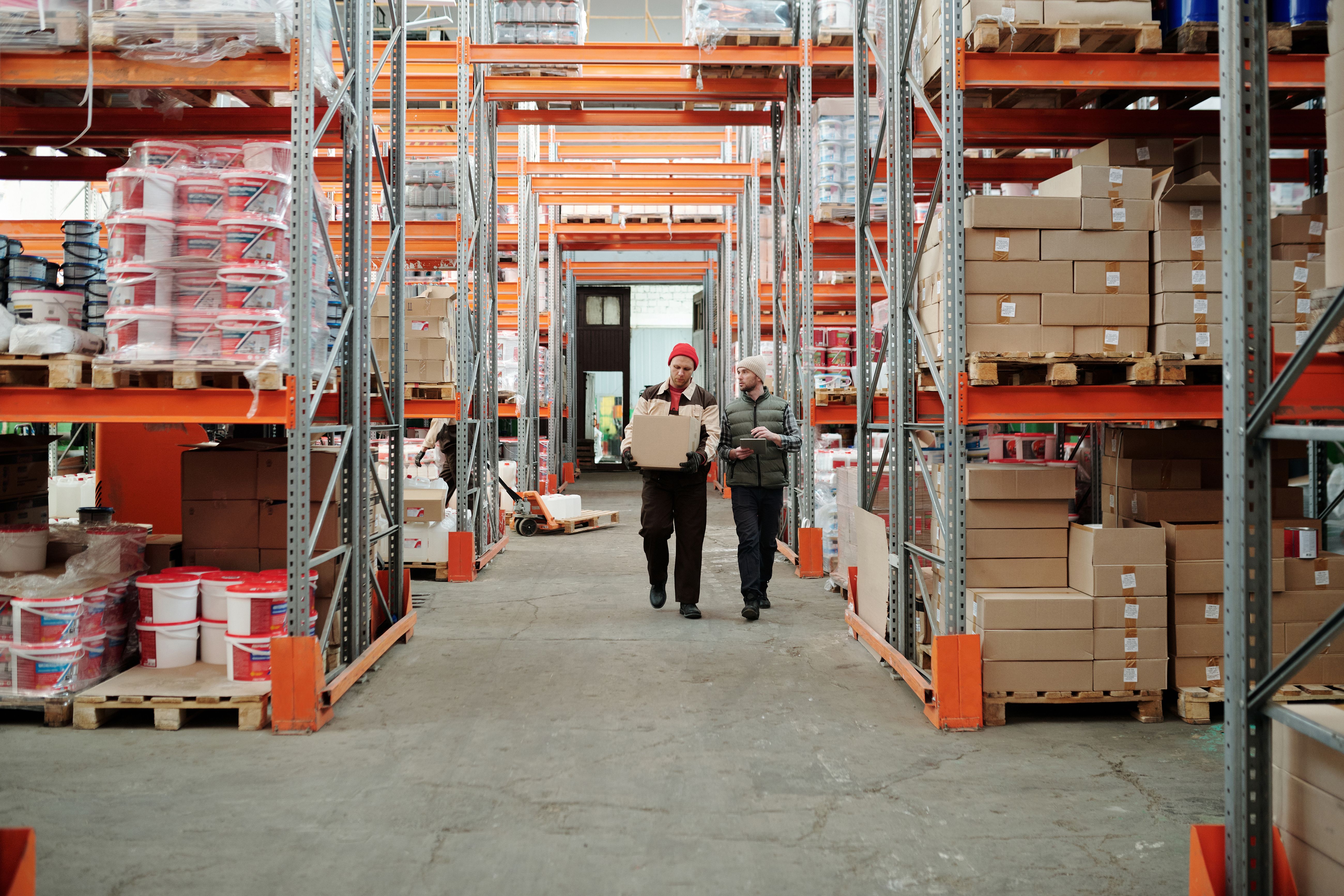
Warehousing and distribution deserve particular attention here, since this is where inventory sits still long enough for problems to compound. A warehousing and distribution setup built around actual order patterns, not last year’s floor plan, cuts picking time and reduces damaged or misplaced stock. Reliable transportation scheduling on top of that keeps the whole chain moving at a predictable rhythm instead of in bursts.
Cold Chain and Specialized Cargo
Cold chain logistics plays by a stricter set of rules than general freight, and Qatar’s climate makes that gap wider. Pharmaceuticals, fresh produce, and temperature-sensitive industrial goods can lose value or become unusable after a single break in refrigeration, and that break can happen anywhere: a delayed loading dock, a truck sitting in direct sun, a warehouse cooler that wasn’t monitored overnight.
Cold chain failures rarely show up as one dramatic event. They show up as a slow accumulation of small gaps that nobody was watching closely enough.
Handling this kind of cargo well means continuous temperature monitoring, drivers and warehouse staff trained specifically for it, and contingency plans for the inevitable delay, not just a plan for when everything goes right. Project cargo and oversized loads carry a similar lesson: the standard process doesn’t apply, so the plan has to be built around the shipment, not the other way around.
What Technology Actually Changes
Tracking software and inventory systems get talked about like they solve supply chain problems on their own. They don’t. What they do well is remove guesswork: knowing exactly where a shipment sits, how much stock is actually on a shelf, and which order is running behind before a customer has to ask. That visibility turns firefighting into planning.
The businesses getting real value out of these tools aren’t the ones with the flashiest dashboard. They’re the ones that used the mapping exercise from earlier in this piece to decide what actually needed tracking, then built the system around that answer. Technology amplifies a process that already works. It rarely fixes one that doesn’t.
Supply chain efficiency isn’t a project with an end date. It’s a habit of checking the same weak points on a regular basis and fixing what’s actually broken instead of what’s loudest. Businesses that treat it that way spend less time explaining delays and more time growing.