
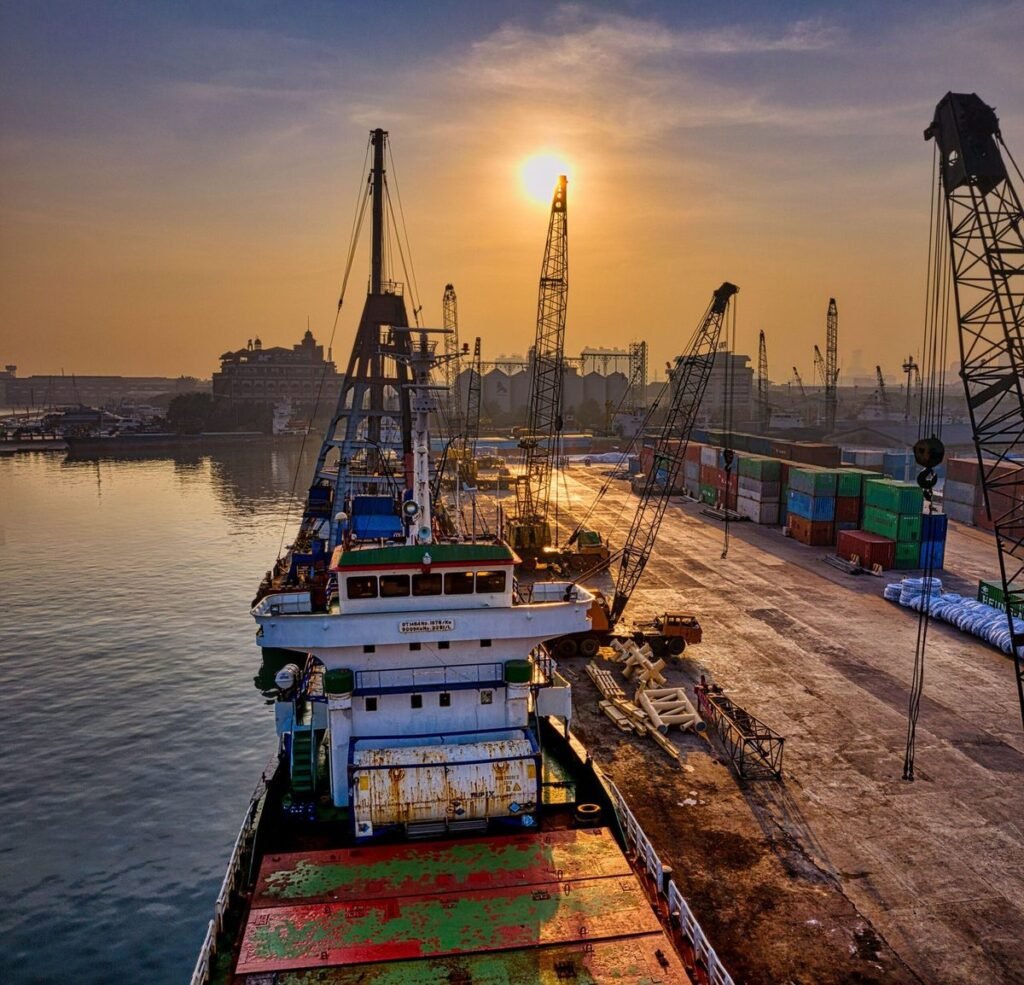
Cold chain products do not forgive mistakes. A few hours outside the right temperature range and a shipment of vaccines, seafood, or fresh produce is no longer sellable. This guide looks at what third party logistics actually means for cold chain in Qatar, the UAE, and Saudi Arabia, and how to tell a capable 3PL partner from one that just owns a refrigerated truck.
In this article
- What Third Party Logistics Means in Cold Chain
- Why Cold Chain Is a Different Business to General Freight
- What to Look for in a Cold Chain Logistics Partner
- Cold Chain Packaging That Actually Protects the Product
- Temperature Controlled Transport and the Last Mile
- Customs and Compliance Across the GCC
What Third Party Logistics Means in Cold Chain
Third party logistics, usually shortened to 3PL, means handing part or all of your supply chain to a company that specializes in moving and storing goods so you do not have to build that capability in house. In cold chain, the stakes are higher than in general freight. A 3PL here is not just booking trucks and warehouse slots, it is managing an unbroken chain of custody for products that spoil, degrade, or become unsafe outside a set temperature band. That includes fresh produce moving from farm to supermarket, seafood landing at the port, dairy, and pharmaceuticals that can lose potency within hours of a temperature excursion. A cold chain logistics company worth hiring treats temperature control as the core service, not an add on to a standard freight contract, and can show you exactly how a shipment is monitored from pickup to delivery.
Why Cold Chain Is a Different Business to General Freight
General freight has some room for error. A pallet sitting on a dock an extra hour rarely matters. Cold chain does not work that way. A reefer unit failing for even thirty minutes in Doha’s summer heat can push frozen goods above a safe threshold, and the product is compromised even if the paperwork looks fine. This is why temperature controlled logistics is its own discipline, not a variant of regular transportation services. The vehicles need working refrigeration units with backup power, drivers trained to keep doors shut and loading windows short, and a way to prove the temperature stayed in range the whole trip, not just at pickup and drop off. Ambient heat across Qatar, the UAE, and Saudi Arabia makes this harder than in cooler markets, so a 3PL here needs equipment built for the climate, not equipment that merely survives it.
What to Look for in a Cold Chain Logistics Partner
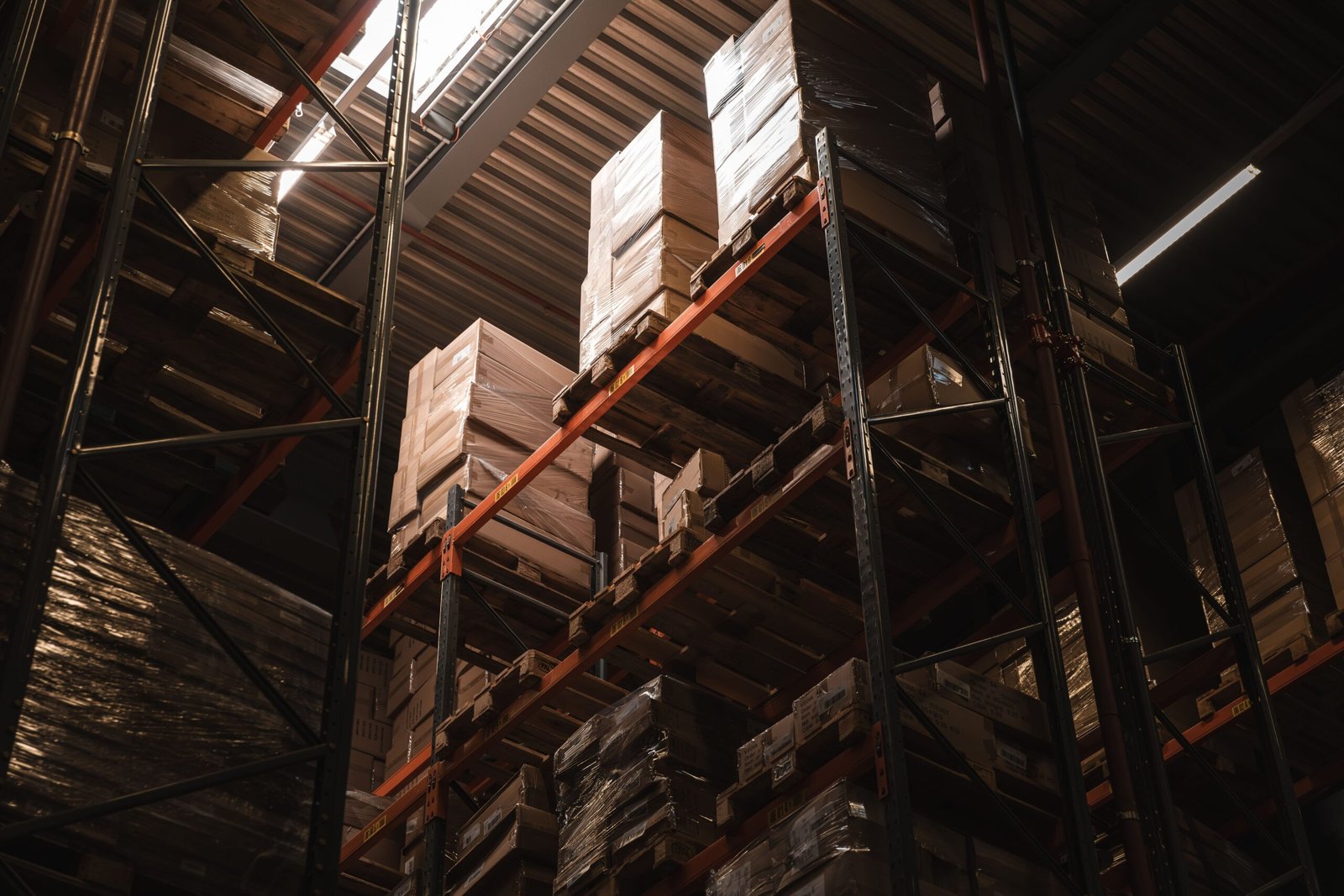
Picking a cold chain logistics partner on price alone is how shipments go wrong. Ask to see their temperature logging, not just hear about it: a proper 3PL can hand you a record showing the actual temperature curve for your shipment, not a verbal assurance that it was fine. Check their warehousing and distribution setup for segregated zones, since frozen, chilled, and ambient controlled goods need separate spaces rather than one cold room with everything stacked together. Ask what happens when a reefer unit breaks down mid route: is there a backup vehicle nearby, or does the shipment wait for a repair truck? Look too for a track record in your specific product category. A company that moves frozen seafood well is not automatically equipped to handle temperature sensitive pharmaceuticals, and the reverse is also true.
Cold Chain Packaging That Actually Protects the Product
Packaging is the part of cold chain logistics companies most often underspent. Businesses will pay for a reefer truck and pack the product in whatever box was on hand, then wonder why it arrives warm after a loading delay. Good cold chain packaging buys time when the equipment around it fails. Insulated boxes with gel packs work for short chilled runs. Dry ice suits deep frozen goods that need to stay well below freezing for longer transit windows. Phase change materials, which hold a steady temperature for hours, are increasingly used for pharmaceuticals and other high value shipments where a few degrees of drift is unacceptable. None of this replaces a working cold chain, it is insurance for the gaps that always happen somewhere between a warehouse door and a delivery point.
Temperature Controlled Transport and the Last Mile
Line haul transport, the long stretch between cities or from a port to a warehouse, is usually the easiest part of temperature controlled logistics to manage. The last mile is where things fall apart. A delivery van making six stops across Doha in July, with the door opening and closing at every one, loses cold air fast even with the unit running. The fix is mostly about planning rather than equipment: pre cooling the vehicle before loading, sequencing stops so the coldest products come off last, and keeping door open time as short as the handler can manage. Businesses selling cold or frozen goods online feel this most, since ecommerce logistics means smaller, more frequent deliveries instead of one full truckload, and more chances for the chain to break.
Customs and Compliance Across the GCC
Cold chain shipments that cross a GCC border add another point of failure: customs. A truck sitting at a checkpoint for hours in the sun does more damage than almost any other stage of the journey, and it is avoidable with the right paperwork prepared in advance rather than assembled at the gate. Proper customs clearance for cold chain goods means health certificates, product classifications, and temperature declarations are ready before the vehicle arrives, not after. Moving cold chain freight between Qatar, the UAE, and Saudi Arabia without a partner who understands each country’s requirements is one of the more common ways businesses lose a shipment that was fine right up until the border.
None of this needs to be complicated once the right partner is in place. Cold chain logistics comes down to a handful of things done consistently: working equipment, honest temperature records, packaging that buys time, and a border process that does not leave a truck waiting. A 3PL that gets those right is worth more than one offering the lowest rate.