
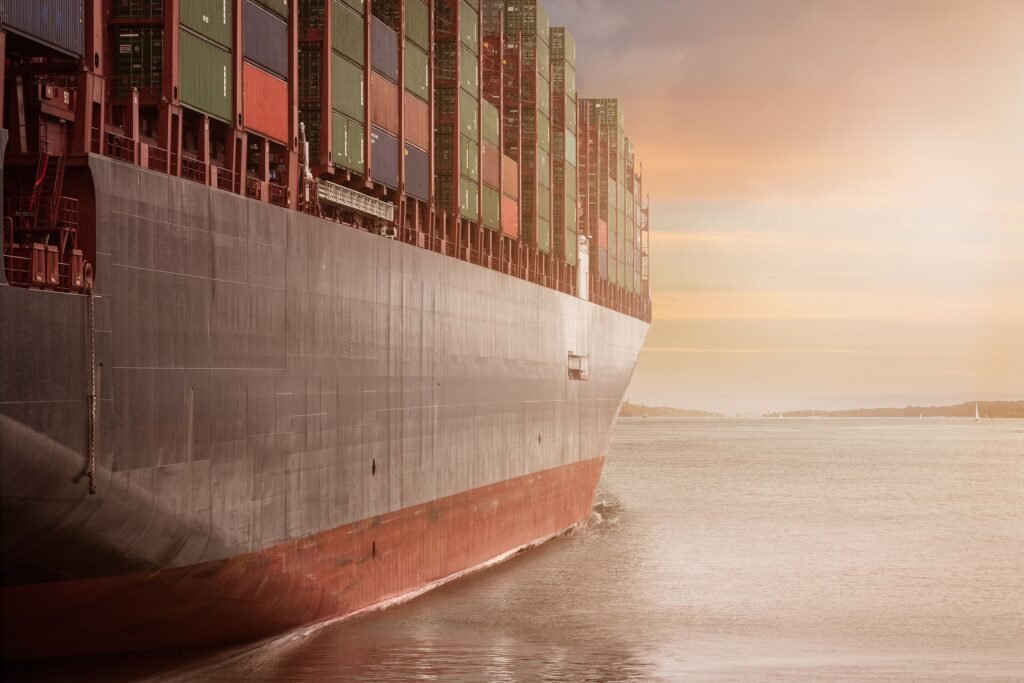
Moving cargo across borders is rarely as simple as booking a truck. A cargo freight forwarder arranges the whole journey across air, sea, and land, and handles the paperwork that keeps it moving. For businesses shipping in and out of Qatar, a good forwarder is the difference between goods that arrive on time and goods stuck at a port.
In this article
What a freight forwarder actually does
A freight forwarder does not usually own the ships or planes. What it owns is the know how and the relationships. It books space with carriers, consolidates shipments, prepares documents, arranges insurance, manages customs, and coordinates the handoffs between each leg of the trip.
Think of it as the project manager for your cargo. You hand over the goods and the destination, and the forwarder builds the route, the timing, and the paperwork to get them there. For most companies that is far more efficient than dealing with carriers, ports, and customs brokers separately.
Why Qatar shippers lean on forwarders
Qatar trade runs heavily through a few gateways: Hamad Port for sea freight, Hamad International Airport for air, and road links into Saudi Arabia and the wider Gulf for land transport. Each has its own procedures and busy periods. A forwarder that works these routes daily knows the documentation each one wants, the realistic transit times, and where delays tend to happen.
After the regional disruptions of recent years, businesses here have learned the value of flexible routing and a partner who can switch modes when one lane gets blocked. Our cargo and logistics team plans around those realities rather than assuming a route will always be open.
Air, sea, and land: choosing the mode
Mode choice is a trade off between speed, cost, and the nature of the goods. Air freight is fast and reliable and suits high value, urgent, or perishable cargo, but it costs more and limits size and weight. Sea freight is the workhorse for volume, machinery, and anything not in a hurry, far cheaper per unit but slower and tied to sailing schedules. Road freight links Qatar to its neighbours and often handles regional distribution.
A good forwarder does not push one mode. It asks what the shipment actually needs, and may split a consignment across modes to balance cost against the deadline.
A cheap shipment you cannot locate is not really cheap. Tracking and clear communication matter as much as the quote.
Customs clearance, where cargo stalls
Customs is where shipments most often stall, and it is rarely the carrier fault. A missing certificate, a mismatch between the invoice and the packing list, an incorrect tariff code, or goods that need a permit nobody arranged, any of these can hold cargo at the border while charges build.
A forwarder customs clearance work is about getting the paperwork right before the goods arrive: classifying items correctly, preparing the declarations, and knowing which products need special approval in Qatar. The unglamorous part of freight forwarding is often the part that saves the most time and money. It is worth asking any provider how their customs clearance process actually works before you book.
Choosing a forwarder you can rely on
Choosing a forwarder is about more than the quote. Ask what routes and modes they handle directly, how they keep you informed, and how they deal with problems when, not if, something goes wrong. Look for a partner that handles your type of cargo regularly and is honest about transit times rather than promising the impossible.
If you move goods in or out of Qatar and want shipping planned properly from collection through to clearance, talk to us about how we can route it and keep you updated along the way.