
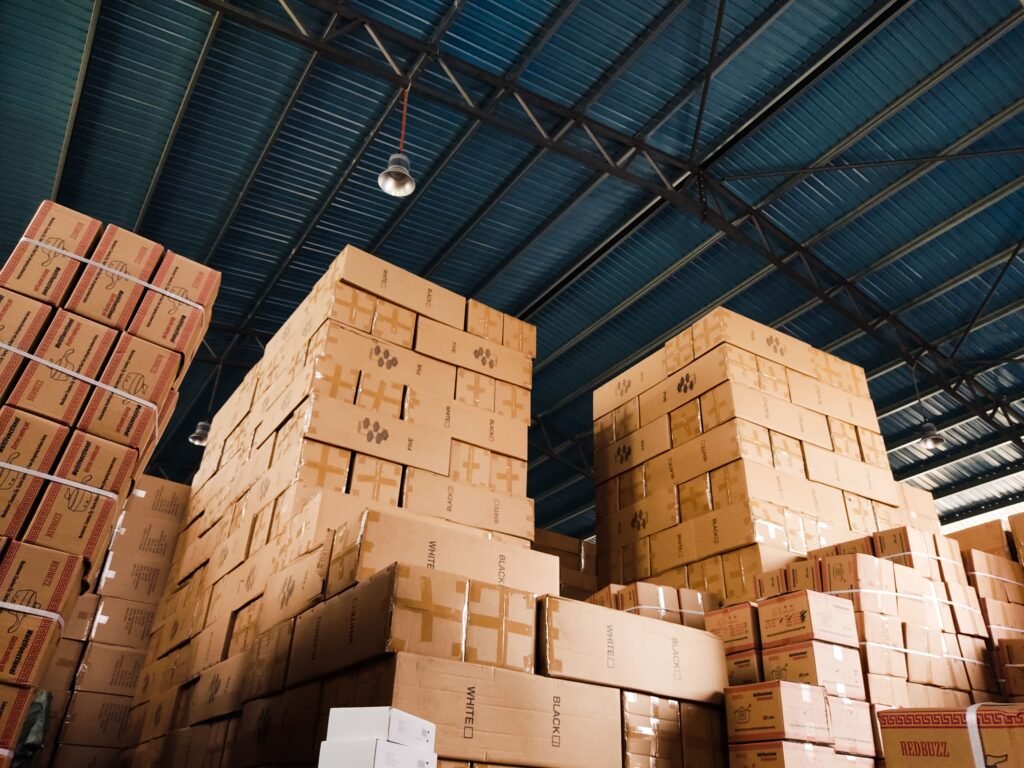
Every container that lands in a Gulf port still has to pass through the same bottleneck: customs. Get the paperwork right and clearance can take a day. Get it wrong, and a shipment worth six figures can sit on a bonded terminal for a week while someone fixes a typo on a bill of lading. This guide walks through the customs clearance process from booking to release, what documents matter, and where import customs clearance usually goes wrong.
In this article
What Customs Clearance Actually Involves
Customs clearance is the checkpoint every import or export has to pass before it can move freely inside a country. An officer, or increasingly a system acting on an officer’s behalf, checks that the paperwork matches the cargo, that the right classification code has been used, and that any duty owed has been paid. Only then does the shipment get a release order and continue to the warehouse, the site, or the retail shelf.
In Qatar, the UAE, and Saudi Arabia the process runs through each country’s own customs authority, but the shape of it is the same everywhere. Documents get filed, cargo gets classified under the Harmonized System, value gets assessed, duty gets calculated, and someone decides whether the container needs a physical look before it is let go. Understanding each of those stages is what separates a same-day release from a shipment stuck on a bonded yard. Our customs clearance services team manages this end to end, but it helps every importer to know what is actually happening behind the scenes.
Documents You Need Before the Shipment Moves
Every clearance depends on paperwork arriving complete and consistent. Missing one document rarely stops a shipment outright, but it slows the file down while an officer requests the gap, and that delay gets billed in port storage fees, not goodwill.
- Commercial invoice showing the true transaction value
- Packing list matching the invoice line by line
- Bill of lading or airway bill
- Certificate of origin, where a preferential tariff applies
- Import license or permit for regulated goods
- Insurance certificate, since cost insurance and freight terms require proof it exists
The invoice is the document customs checks hardest. A number that does not match the packing list, or a value that looks low against the going rate for that product, is the single most common reason a file gets pulled for review.
Step by Step: From Manifest to Release
The mechanics of import customs clearance follow a fixed order, whether the shipment lands by sea, air, or road.
- Pre-arrival manifest filing, submitted by the carrier or agent before the vessel or flight arrives
- Classification of each item under its HS code, which determines the duty rate and any restrictions
- Valuation of the shipment, almost always on a cost insurance and freight basis
- A risk-based decision on whether the file clears on documents alone or needs a physical inspection
- Duty and any applicable tax payment
- Release order issued, after which the cargo can leave the terminal or bonded warehouse
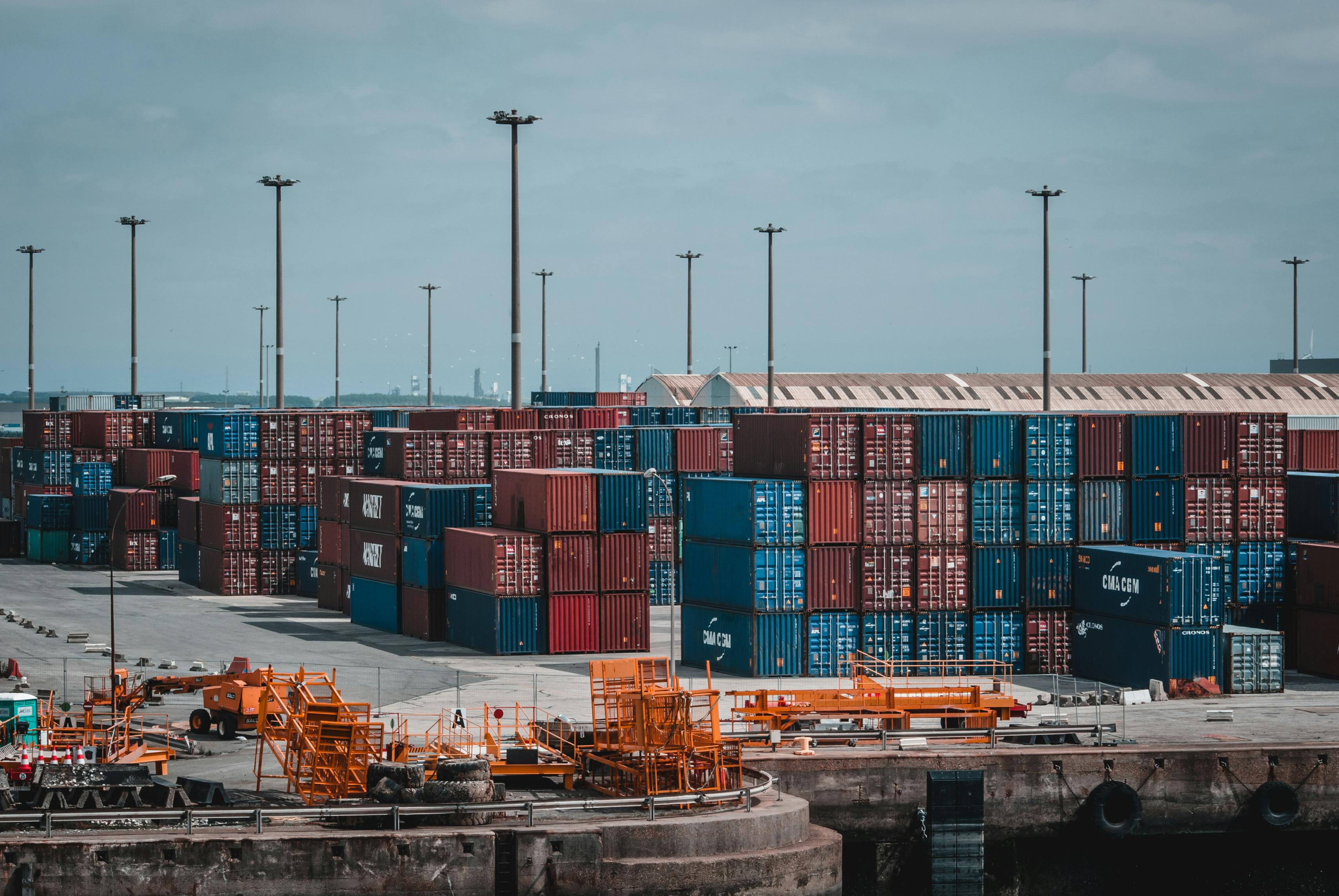
Most shipments with clean paperwork clear on the first pass. The ones that do not are usually flagged for one of the reasons covered below.
Duties, Valuation, and Cost Insurance and Freight
Cost insurance and freight, usually written as CIF, is the value customs uses to calculate duty on most imports across the Gulf. It is not just the price paid for the goods. It adds the cost of shipping and insurance to get them to the port of entry, so two identical invoices with different freight terms can produce two different duty bills.
Rates vary by product category and by country, and they do change, sometimes with little notice. As a general rule, most consumer and industrial goods across the GCC sit in a low duty band, with certain categories, alcohol, tobacco, and some luxury goods among them, taxed far higher. Anyone quoting a landed cost to a client should confirm the current rate for that specific HS code rather than relying on last year’s figure.
Common Delays and How to Avoid Them
Delays rarely come from customs being difficult. They come from files that were not ready before the cargo arrived.
- Invoice value that does not match the packing list or the letter of credit
- A certificate of origin missing where a trade agreement would have lowered the duty
- An HS code that does not match the actual product, which restarts the classification step
- A container flagged for physical inspection with no one available to open it at the yard
Each of these is avoidable with the same fix: get the documents checked before the shipment sails, not after it lands. A freight forwarding partner who also handles clearance can flag a mismatch while there is still time to correct it.
Working With a Customs Clearance Company vs Going Alone
Some importers still handle clearance themselves, particularly on routine shipments they run every month. It works, right up until a shipment hits an inspection or a tariff question that needs a fast answer from someone with a direct line to the customs authority.
A customs clearance company earns its fee on exactly that kind of day. It knows which category an unusual product falls into, keeps a working relationship with the inspectors at the port, and can usually get a held file moving faster than a first-time importer calling the hotline. For businesses moving goods regularly through Qatar or the wider region, that relationship is worth more than the line item it costs.
A clean file clears in a day. A messy one can sit for a week, and the storage fees add up faster than the duty ever would.
Customs clearance is not complicated once you have moved through it a few times, but it punishes shortcuts. Get the invoice, the packing list, and the HS code right before the shipment leaves, and release day becomes a formality rather than a fight.